


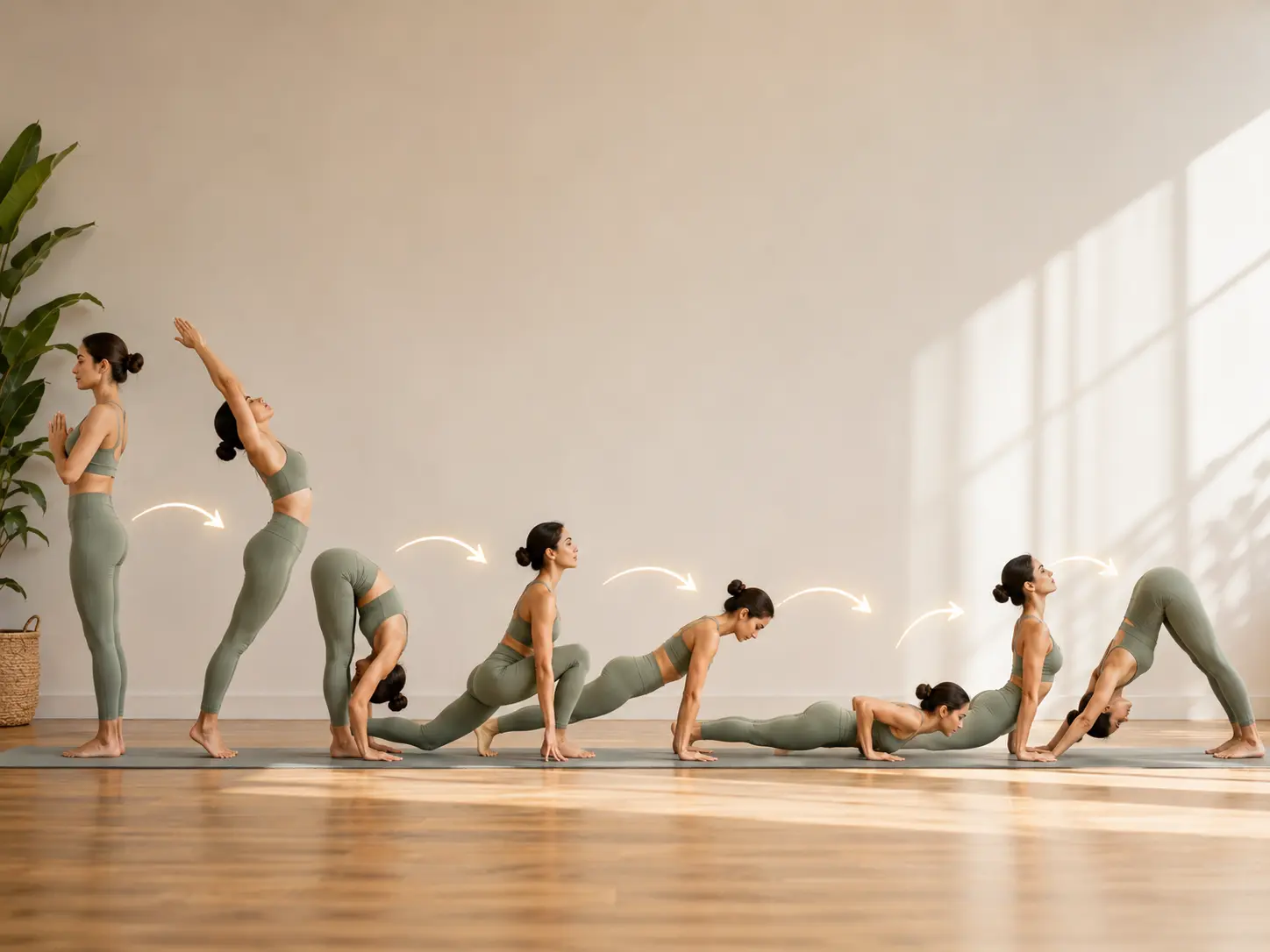

The Art of Transitions: How to Flow From One Pose to the Next
Yoga is more than a sequence of static poses; it is a dynamic, fluid experience that engages the mind, body, and breath. The transitions between poses are often overlooked, yet they hold the potential to transform a yoga practice from a mechanical exercise into a mindful journey. Mastering the art of transitions enhances the beauty of your flow, deepens your connection to your practice, and prevents injury.
In this blog, we’ll explore why transitions matter, the elements of graceful movement, and tips for cultivating fluidity as you flow from one pose to the next.
Why Transitions Matter
In yoga, transitions are as crucial as poses themselves. They represent the bridge between moments, teaching us to move mindfully and purposefully. Here’s why transitions deserve attention:
1. Mindful Presence
Transitions encourage practitioners to stay present. When you’re focused on moving from one pose to another with intention, you anchor yourself in the moment. This prevents your mind from wandering and cultivates mindfulness.
2. Building Strength and Stability
The journey between poses often requires engaging different muscle groups and improving overall strength, balance, and control. For instance, moving from a Downward-facing Dog to a High Plank engages the core and shoulders, building stability.
3. Preventing Injury
Rushing through postures can lead to misalignments and potential injuries. Practising smooth and deliberate transitions ensures you maintain proper form and alignment throughout.
4. Enhancing the Flow
Seamless transitions create a sense of continuity and rhythm, turning your practice into a moving meditation. This can elevate your experience, whether practising Vinyasa yoga or any other dynamic style.
The Elements of Graceful Transitions
Certain principles come into play to flow effortlessly from one pose to the next. These elements form the foundation of fluid transitions:
1. Breath Awareness
Breath is the anchor of any yoga practice. Coordinating movement with breath creates a natural rhythm and enhances fluidity. For instance, inhaling as you extend into Warrior I and exhaling as you transition into Warrior II ensures a smooth and synchronised flow.
2. Engagement and Control
Transitions often involve activating core muscles and stabilisers to maintain balance and control. This engagement prevents collapsing into the next pose and allows for graceful movement.
3. Alignment
Maintaining proper alignment during transitions ensures safety and efficiency. For example, transitioning from a Forward Fold to Chaturanga requires awareness of your spine, shoulders, and core to avoid strain.
4. Pacing
Rushing through transitions can lead to sloppy movements and loss of control. Slowing down and savouring each transition helps build awareness and strength while allowing you to move with intention.
5. Visualization
Visualising the next pose can help you prepare mentally and physically. This mental preparation ensures smoother movements and reduces hesitation.
Practical Tips for Mastering Transitions
1. Focus on Your Breath
Let your breath guide your movement. Practice linking each inhale and exhale to a specific action. For example:
- Inhale: Lengthen your spine as you rise from a Forward Fold.
- Exhale: Fold deeper as you move into the next pose.
2. Engage Your Core
The core is your powerhouse for transitions. Engaging it provides stability and control. Try incorporating core-strengthening exercises like Plank variations and Boat Pose into your routine to build strength for smoother transitions.
3. Move Mindfully
Approach each transition with awareness. Instead of focusing solely on the destination pose, immerse yourself in the movement. Pay attention to how your body shifts, which muscles engage, and how your balance adjusts.
4. Experiment with Pacing
Explore different speeds in your practice. Slower transitions can help you build strength and awareness, while faster movements can create a sense of flow and energy. Striking a balance between the two enhances your practice.
5. Practice with Props
Using props like blocks, straps, or a wall can help you navigate challenging transitions. For instance, placing blocks under your hands during a Lunge-to-Forward-Fold transition can improve alignment and stability.
6. Seek Guidance
Practising under the guidance of an experienced teacher can help you refine your transitions. They can provide personalised feedback on alignment and movement patterns, ensuring you develop safe and effective habits.
7. Stay Patient
Mastering transitions takes time and practice. Be patient with yourself and celebrate small victories along the way. Consistency is key to progress.
Common Yoga Transitions and How to Master Them
1. Downward-facing Dog to High Plank
- How to Transition: Shift your weight forward, engaging your core and shoulders as you align your wrists under your shoulders, moving from Downward-facing Dog to Plank.
- Key Tips: Keep your spine straight and avoid sagging through the hips. Engage your legs for additional support.
2. Chaturanga to Upward Dog
- How to Transition: Lower halfway into Chaturanga, then roll onto the tops of your feet as you lift your chest into Upward-facing Dog.
- Key Tips: Keep your elbows close to your body and avoid collapsing into your lower back.
3. Warrior II to Extended Side Angle
- How to Transition: From Warrior II, hinge at your hip and lower your front hand onto your thigh or the floor, extending your top arm overhead.
- Key Tips: Keep your chest open and avoid collapsing into your supporting arm. Engage your core to maintain stability.
4. Chair Pose to Forward Fold
- How to Transition: From Chair Pose, hinge at your hips and fold forward, allowing your arms to follow naturally.
- Key Tips: Keep your spine long and avoid rounding your back. Engage your legs for control.
5. Tree Pose to Warrior III
- How to Transition: From Tree Pose, release your lifted leg and extend it behind you as you hinge forward into Warrior III.
- Key Tips: Focus on a fixed point to maintain balance. Engage your core and glutes for stability.
The Mindful Connection Between Transitions and Life
The art of transitions in yoga mirrors the transitions we experience in life. Just as we move from one pose to another, we navigate shifts in our personal and professional lives. By approaching these transitions with mindfulness and grace, we learn to adapt, grow, and find balance amidst change.
Yoga teaches us that the journey is as important as the destination. Every transition is an opportunity to connect with ourselves, build resilience, and cultivate inner peace.
Embracing the Flow
The art of transitions is an integral part of yoga that elevates your practice from a series of poses to a harmonious flow. By focusing on breath, alignment, and mindful movement, you can create a practice that is not only physically rewarding but also deeply meditative.
Remember, yoga is a journey, not a race. Take your time, savor each movement, and enjoy the process of discovering the beauty of transitions. With consistent practice and mindful intention, you’ll find yourself flowing effortlessly from one pose to the next, both on and off the mat.
Ready to refine your transitions? Dedicate a portion of your next practice to exploring how you move between poses. Pay attention to your breath, engage your core, and move with intention. Over time, you’ll develop a deeper appreciation for the art of transitions and the beauty they bring to your practice.
Join live Vinyasa yoga classes on Shvasa to learn how to transition safely between poses and practice mindful flows with experienced teachers.





%201.svg)


%201.png)


%201.svg)