




Separating Fact from Fad: The Science Behind Face Yoga
Face yoga has gone from niche practice to mainstream beauty routine but a common question remains: does it actually work, or is it just a trend? The honest answer sits between skepticism and hype. Face yoga is grounded in real physiology, but it's not a miracle overnight fix. Here's what the science actually says.
What Happens to Facial Muscles As We Age
Just like the muscles in the rest of the body, facial muscles lose tone and mass over time if they're not engaged - a process called sarcopenia. Combined with natural collagen and elastin decline in the skin, this muscle loss is a major (and often overlooked) contributor to how faces change with age, beyond just wrinkles and skin texture.
The Science Behind Face Yoga
The most cited research on this topic is a study published in JAMA Dermatology, led by Dr. Murad Alam, Chief of Dermatology at Northwestern University. In the study, middle-aged and older adults practiced a structured facial exercise program consistently over several months. Participants were rated by independent observers as looking noticeably younger by the end of the program compared to before - one of the first pieces of credible, peer-reviewed evidence that facial exercises can produce a visible difference, not just a subjective feeling of "toning."
Beyond this specific study, the underlying logic is sound and well-established in exercise physiology more broadly: skeletal muscle, including facial muscle, responds to repeated, controlled contraction by increasing in tone and, to a lesser extent, size. The face is simply a smaller, more delicate application of the same principle used in strength training anywhere else on the body.
What Face Yoga Can and Can't Do
It's important to be realistic. Face yoga is not a substitute for medical treatments like Botox or fillers when it comes to deep, structural volume loss or severe wrinkling - it works through muscle toning, not through adding volume or paralyzing muscle activity. It also isn't instant; unlike a filler, results build gradually over weeks and months, not days. What it can do well is improve muscle tone, circulation, and skin appearance in a natural, ongoing way - and unlike injectable treatments, the "maintenance" is simply continuing to practice, not repeat procedures.
How to Know If Face Yoga Is Working for You
The clearest signs of progress are usually: reduced puffiness (especially noticeable in the morning), a firmer feel to the cheeks and jawline when you touch them, and, over a longer period, subtle changes in definition that others might comment on before you fully notice them yourself. Taking photos in consistent lighting every few weeks is a more reliable way to track change than relying on the mirror day to day, since daily fluctuations (sleep, hydration, salt intake) can mask gradual progress.
Tips to Get Real Results from Face Yoga
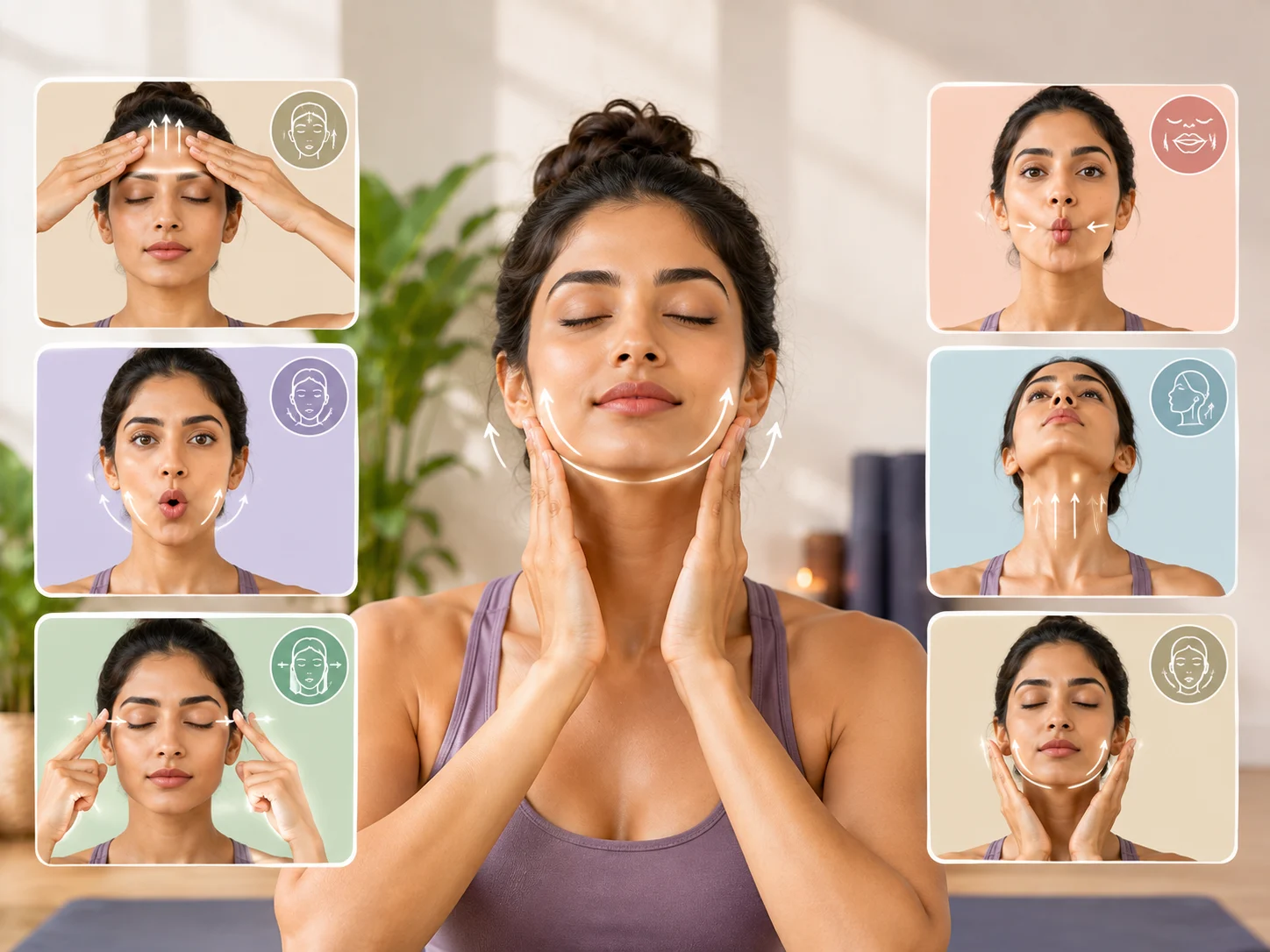
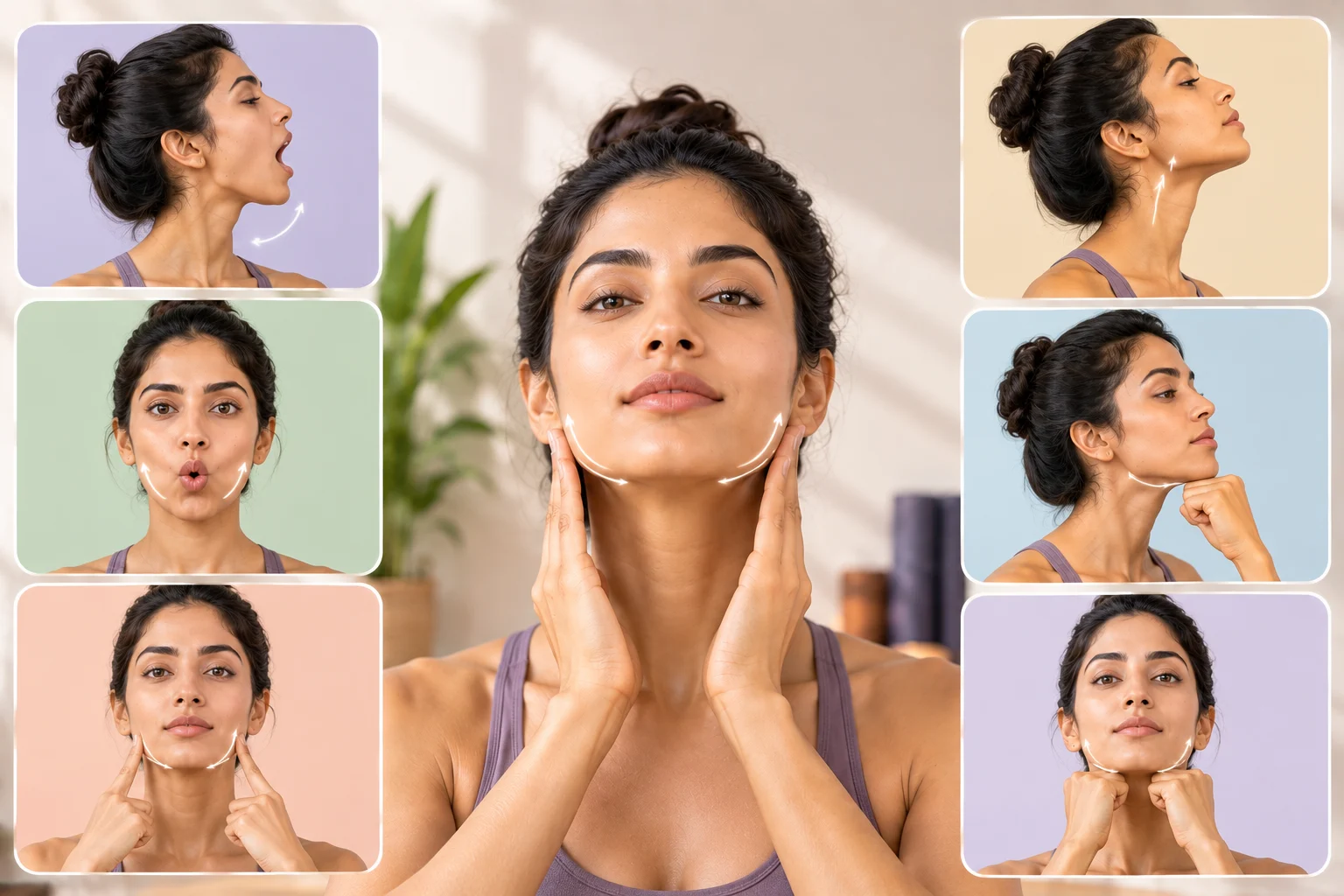
Consistency is the single biggest factor separating people who see results from those who don't. Ten to twenty minutes a day, with correct technique, will outperform an hour once a week. Learning proper form matters too - face yoga done with poor technique is far less effective, and in some cases can create unnecessary tension rather than release it.
Join LIVE Face Yoga classes on Shvasa with certified instructors to learn correct technique and see real, trackable results over time.







.png)


%201.svg)


%201.png)


%201.svg)