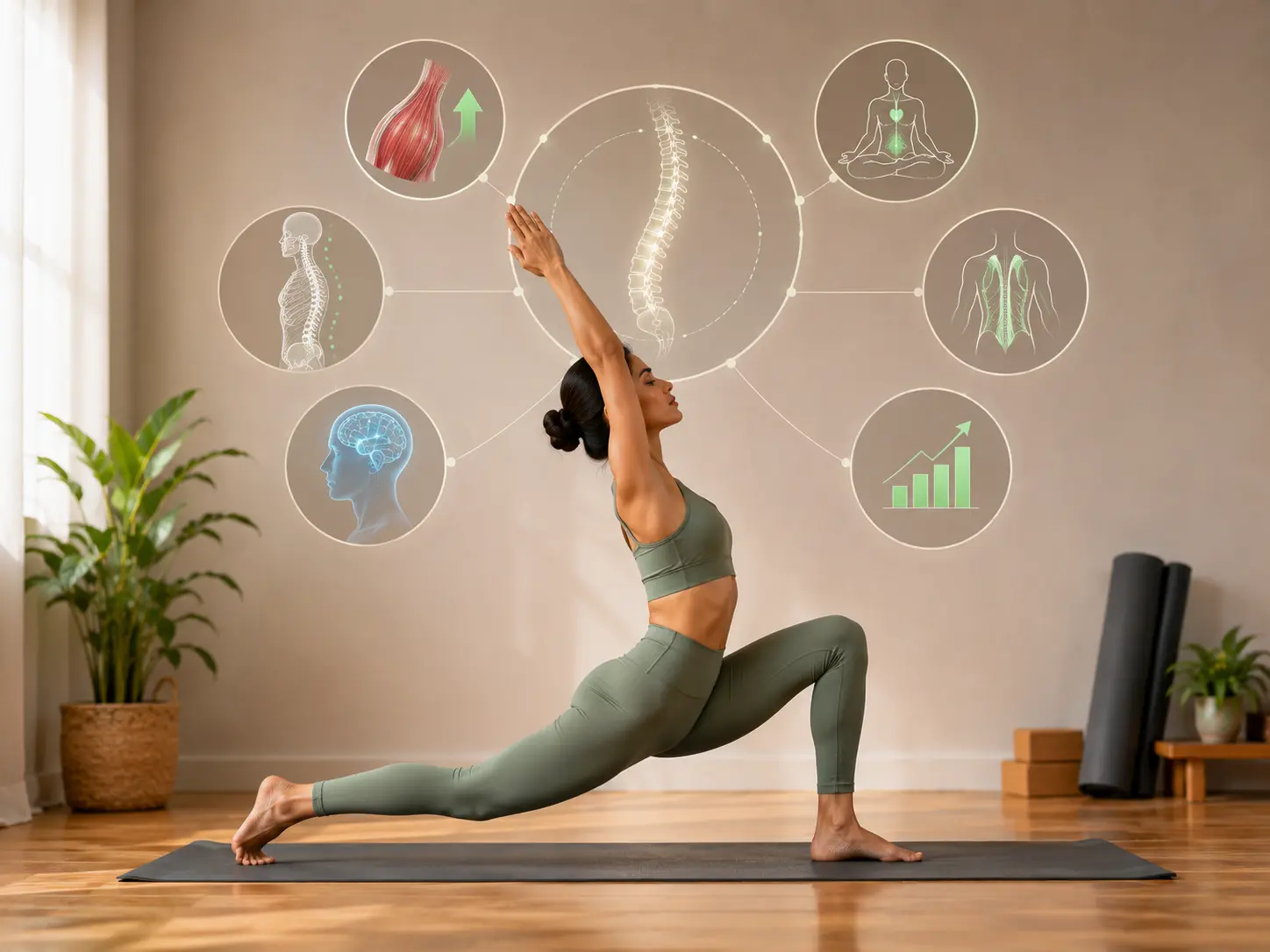

The Science Behind Yoga and Physical Posture Improvement
Posture forms the foundation of physical health, affecting everything from our mobility and energy levels to our mental well-being. In today’s sedentary lifestyle, poor posture has become a common problem, contributing to back pain, neck strain, and even impaired breathing. Yoga offers a holistic approach to posture improvement. But how exactly does yoga improve posture? Let’s delve into the science behind yoga and its impact on alignment and posture.
Understanding Posture and Its Importance
Physical Posture refers to the alignment and positioning of the body in standing, sitting, or lying down. Proper physical posture ensures that the body’s weight is evenly distributed across the skeleton, minimizing strain on muscles, ligaments, and joints. When posture is compromised, it can lead to:
- Chronic pain (especially in the back, neck, and shoulders)
- Reduced mobility
- Poor circulation
- Impaired breathing
- Increased risk of injury
A study published in The Journal of Physical Therapy Science (2019) highlighted that prolonged poor posture can lead to musculoskeletal disorders, including forward head posture and kyphosis. These issues are especially prevalent in those who spend long hours seated at desks or using electronic devices.
The Role of Yoga in Physical Posture Improvement
Yoga combines movement, breathwork, and mindfulness to improve body awareness, flexibility, strength, and balance. Research has shown that yoga can significantly impact physical posture through:
- Improved Body Awareness: Yoga encourages mindful movement, helping practitioners identify and correct misalignments. Awareness is the first step to making lasting posture changes.
- Strengthening Core and Postural Muscles: Many yoga poses, such as Plank Pose (Phalakasana) and Warrior II (Virabhadrasana II), target the core, back, and shoulders—key muscle groups that support an upright posture.
- Enhancing Flexibility: Tight muscles, especially in the hips, hamstrings, and chest, can pull the body out of alignment. Yoga stretches these areas, releasing tension and improving range of motion.
- Spinal Alignment: Yoga promotes natural spinal alignment through poses that elongate and decompress the spine, such as Downward-facing Dog (Adho Mukha Svanasana) and Cobra Pose (Bhujangasana).
- Correcting Muscle Imbalances: Over time, yoga balances strength and flexibility across the body, addressing asymmetries caused by repetitive movements or poor habits.
Scientific Studies Supporting Yoga for Posture
Several studies have demonstrated yoga’s effectiveness in improving posture:
- Yoga and Kyphosis: A 2015 study published in The Archives of Physical Medicine and Rehabilitation investigated the effects of yoga on hyperkyphosis (excessive curvature of the upper spine) in older adults. Participants who practiced yoga twice weekly for six months experienced significant improvements in posture, spinal curvature, and overall functional ability.
- Yoga for Forward Head Posture: Research published in The Journal of Bodywork and Movement Therapies (2020) found that a 12-week yoga intervention reduced forward head posture and neck pain among office workers. Yoga’s emphasis on chest-opening poses and strengthening the upper back was particularly beneficial.
- Improved Balance and Alignment: A 2018 study in The International Journal of Yoga demonstrated that consistent yoga practice improved balance and alignment in adults with poor posture. Poses such as Tree Pose (Vrikshasana) and Chair Pose (Utkatasana) played a significant role.
Key Yoga Poses for Physical Posture Improvement
Practicing specific yoga poses can directly target areas commonly affected by poor posture. Here are some highly effective poses:
1. Mountain Pose (Tadasana):
Encourages proper alignment and balance in the body.
- How to Do Tadasana:
- Stand with feet hip-width apart.
- Engage the core, lift the chest, and roll shoulders back.
- Distribute weight evenly across both feet.
2. Cat-Cow Pose (Marjariasana):
Increases spinal mobility and releases tension in the back. It improves spine health, stretching and strengthening the muscles.
- How to Do Marjariasana:
- Begin on hands and knees.
- Alternate between arching the back (Cow) and rounding it (Cat).
3. Child’s Pose (Balasana):
A restorative posture that stretches the lower back and promotes relaxation.
- How to Do Balasana:
- Kneel on the floor and sit back onto the heels.
- Extend arms forward and rest the forehead on the ground.
4. Cobra Pose (Bhujangasana):
Strengthens the spine and opens the chest. Stretches and strengthens the spinal nerves, muscles and tissues.
- How to Do Bhujangasana:
- Lie face-down in a prone position.
- Place the palms under shoulders, and gently lift the chest up, straightening the hands.
5. Downward-Facing Dog (Adho Mukha Svanasana):
Lengthens the spine and strengthens the shoulders and legs.
- How to Do Adho Mukha Svanasana:
- Form an inverted “V” shape by lifting hips while keeping hands and feet grounded.
Breathwork and Posture
Proper breathing is integral to yoga and posture improvement. Slouching compresses the diaphragm, limiting lung capacity and leading to shallow breathing. Pranayama, or breathwork, trains the body to breathe deeply and efficiently. Techniques such as diaphragmatic breathing and alternate nostril breathing (Nadi Shodhana) not only improve oxygen intake but also encourage an upright posture.
A 2021 study in Frontiers in Physiology revealed that diaphragmatic breathing practices enhance postural stability by activating core muscles and reducing tension in the upper body.
Yoga and Mental Well-Being
Posture affects more than physical health—it also influences mental well-being. Slouching has been linked to decreased confidence, increased stress, and even symptoms of depression. Yoga’s combination of mindful movement and relaxation techniques positively impacts mental health, reinforcing the connection between mind and body.
A 2018 study published in Psychology of Sport and Exercise found that upright posture improved participants’ mood and energy levels, while slouched posture was associated with negative emotions.
Conclusion
Yoga offers a scientifically backed, holistic approach to posture improvement. By improving body awareness, flexibility, and core strength, yoga helps align the body, reducing strain and promoting long-term health. Whether you’re battling the effects of a desk job or looking to prevent future problems, incorporating yoga into your routine can transform both your posture and overall well-being. Backed by research and centuries of practice, yoga stands as a powerful tool for achieving optimal alignment and a healthier, more balanced life.
Practice yoga for posture improvement with expert teachers from India by joining live yoga classes on Shvasa.